
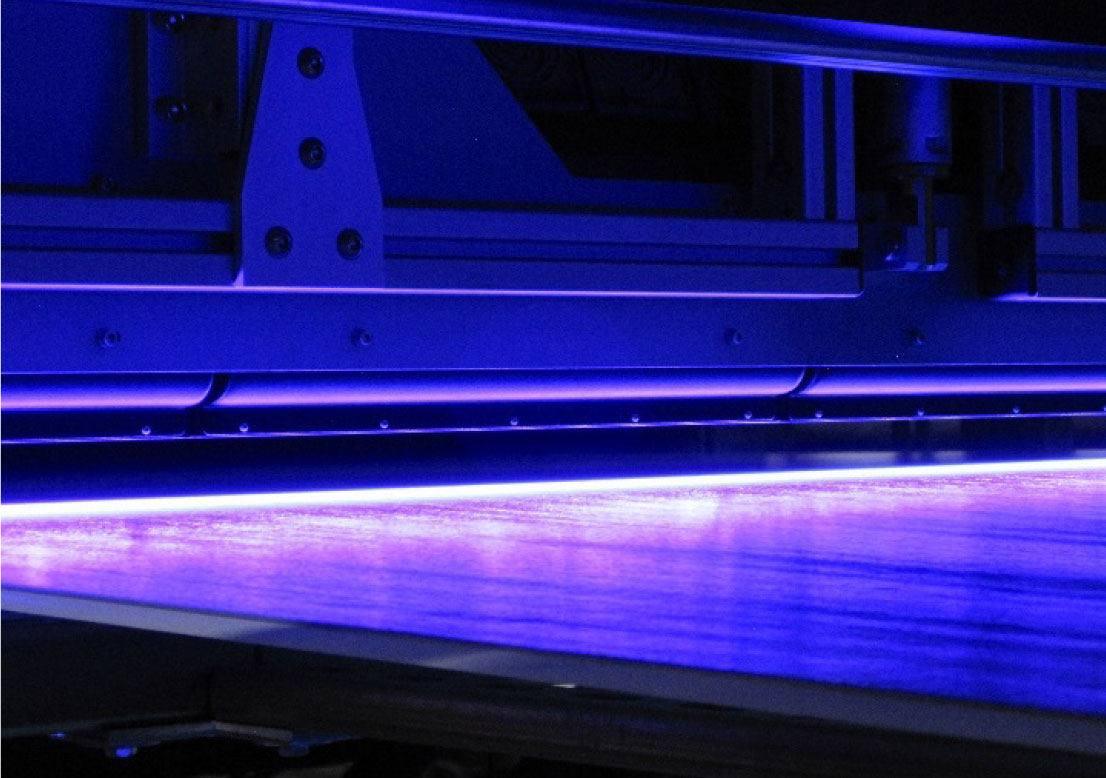
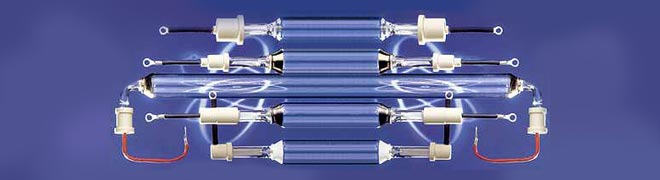
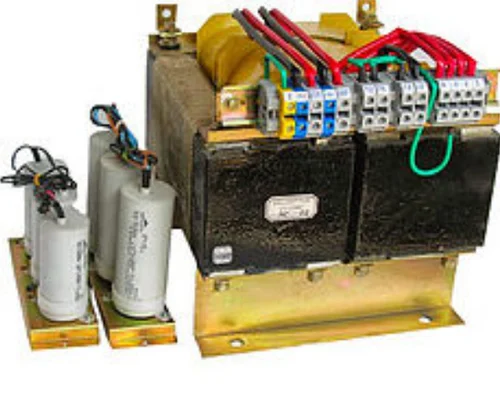
We are a trusted provider of advanced UV curing solutions tailored to meet the demands of modern manufacturing and printing processes. With expertise in UV lamps, ballast systems, and control panels, we deliver reliable, high-performance components that drive efficiency and precision in UV curing equipment.
Our comprehensive offerings include:
 UV Lamps – Engineered for optimal wavelength output and long-lasting performance across diverse applications.
- Ballast Systems – Designed to ensure stable operation and energy-efficient performance for UV curing setups.
- Control Panels – Smart interfaces that provide seamless integration and intuitive control of curing systems.
 UV Lamps – Engineered for optimal wavelength output and long-lasting performance across diverse applications.
 Ballast Systems – Designed to ensure stable operation and energy-efficient performance for UV curing setups.
 Control Panels – Smart interfaces that provide seamless integration and intuitive control of curing systems.
 Technical Information: UV Lamps for Ink Curing
 Technical Information:
 1. What is UV Ink Curing?

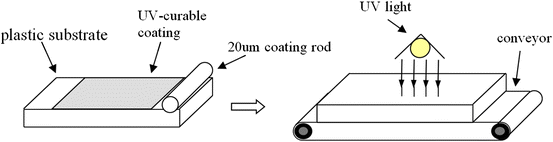
UV (Ultraviolet) ink curing is a process where specially formulated UV inks are instantly dried using UV light. UV lamps emit ultraviolet radiation that triggers a photochemical reaction in the ink, hardening or “curing” it on the printing surface.
2. Types of UV Lamps Used for Ink Curing
| Type | Features | Typical Use |
|---|---|---|
| Mercury Vapor Lamp | Emits broad UV spectrum (mainly UVA & UVB) | Offset, flexo, screen printing |
| Metal Halide Lamp | Similar to mercury but with additives for more UVA | Deeper ink curing, wide substrates |
| LED UV Lamp | Emits narrow spectrum (typically 365, 385, 395 or 405 nm) | Low power use, fast curing, no ozone |
3. Key Technical Specifications
| Parameter | Details |
|---|---|
| Wavelength Range | 200–400 nm (typically 365–405 nm) |
| Power Rating | 80 W/cm – 240 W/cm (medium pressure); <50 W for LEDs |
| Lamp Life | 1,000 – 2,000 hrs (Mercury); 10,000 – 20,000 hrs (LED) |
| Curing Speed | Up to 100–300 m/min depending on lamp & ink |
| Cooling System | Air or Water cooled (especially for high-power lamps) |
| Ballast Requirement | Yes (for traditional UV lamps); not for LED |
| Start-up Time | 2–5 min (traditional); Instant (LED) |
| Ozone Emission | Present in mercury lamps; none in LEDs |
4. Compatible Printing Technologies
 4. Compatible Printing Technologies
-
Offset Printing
-
Flexographic Printing
-
Gravure Printing
-
Screen Printing
-
Digital Inkjet Printing
5. Application Industries
 5. Application Industries
-
Label Printing
-
Packaging (paperboard, plastics, foils)
-
Metal Decor
-
PVC and Plastic Components
-
Wood and Furniture Finishing
6. Safety & Precautions
 6. Safety & Precautions
-
UV lamps emit radiation that can harm skin and eyes – use protective shields & eyewear.
-
Mercury-based lamps contain hazardous materials – follow proper disposal guidelines.
-
Ensure proper ventilation if ozone is generated.
-
Regular maintenance (cleaning reflectors, checking intensity) is crucial for performance.
7. LED UV vs Traditional UV Lamps
 7. LED UV vs Traditional UV Lamps
| Feature | Traditional UV Lamp | LED UV Lamp |
|---|---|---|
| Warm-up Time | Yes (few minutes) | No (instant) |
| Energy Efficiency | Medium | High |
| Lifespan | 1,000–2,000 hrs | 10,000–20,000 hrs |
| Heat Generation | High | Low |
| Maintenance | High | Low |
| Cost | Lower upfront | Higher upfront, low OPEX |
8. Additional Accessories
-
UV Curing System with Conveyor
-
Reflectors and Cooling Systems
-
Power Supply Units / Ballasts
-
UV Intensity Meters
-
Protective Shields and Filters
UV Curing vs. Traditional Curing
 UV Curing vs. Traditional Curing
|
Aspect |
|
|
|---|---|---|
|
Speed |
Cures in seconds via UV light reaction |
Takes minutes to hours using heat or air |
|
Energy Efficiency |
Lower energy consumption |
Higher energy usage, especially with ovens |
|
Environmental Impact |
Zero VOC emissions, cleaner process |
May release VOCs and require ventilation |
|
Finish Quality |
High gloss, scratch & chemical resistance |
Can be inconsistent, prone to defects |
|
Equipment Footprint |
Compact and modular |
Bulky setups (e.g., ovens, drying zones) |
|
Material Compatibility |
Requires UV-reactive materials |
Works with a broader range of materials |
|
Operational Cost |
Lower in long run due to speed & energy |
Higher costs over time |
|
Safety Considerations |
Requires UV shielding & PPE |
Heat-based hazards; safer for visibility |
|
Setup Cost |
Higher initial investment |
Generally lower upfront cost |
|
Innovation & Control |
Advanced control panels, LED UV options |
Limited automation, slower tuning |
 Traditional Curing